A roof leak is not always as obvious as water dripping from the ceiling. Moisture may enter through a small defect, travel beneath tiles or slates and appear inside the property some distance from the original opening. By the time a visible stain develops, the affected area may already include underlay, insulation or timber.
For homeowners in Hessle, East Riding of Yorkshire, understanding the common causes and early warning signs can help prevent a localised leak from spreading. Prompt professional assessment is important because an effective roof leak repair must address the source of the water rather than only the internal symptom.
Understanding Roof Leaks and Arranging the Correct Repair
A leak can develop in any part of the roofing system where materials have moved, deteriorated or failed to direct water correctly. The following causes and warning signs can help explain why professional leak detection is often required.
Slipped, Cracked or Missing Tiles
Tiles form the primary weather-resistant covering on a pitched roof. If one becomes cracked, displaced or missing, rain can reach the underlay and supporting materials beneath it.
A single affected tile may be straightforward to replace, but the surrounding fixings and battens should also be checked. Several displaced tiles can indicate that the problem extends beyond the most visible damage.
Damaged Lead Flashing
Lead flashing seals vulnerable junctions around chimneys, walls, roof windows and other changes in the roof surface. It can split, lift or pull away from adjoining materials as it ages or moves.
Even a small gap can admit wind-driven rain while the nearby tiles remain intact. The flashing and the surfaces into which it is fitted must therefore be examined together.
Deteriorated Valleys
Roof valleys carry concentrated rainwater between adjoining slopes. Cracks, blockages, displaced materials or failed joints can prevent them from draining correctly.
Water may then escape beneath the covering and travel along the roof structure. Because valleys handle a substantial flow during heavy rain, defects can produce leaks across more than one internal area.
Ridge and Verge Defects
Ridge tiles protect the highest roof junction, while verge details secure and weatherproof the exposed edges. Cracked mortar, loose fixings or displaced components can create openings for rain.
These areas are also exposed to wind, which can gradually worsen an existing weakness. Loose materials should be professionally assessed before movement affects nearby tiles.
Torn or Ageing Underlay
Underlay provides secondary protection beneath the roof covering. Over time, it may become brittle, torn or poorly supported, particularly where previous water entry has affected the surrounding battens.
Replacing a surface tile may not completely resolve a leak if the underlay below is already damaged. A larger section of the covering may need to be lifted so the concealed materials can be inspected.
Problems Around Chimneys
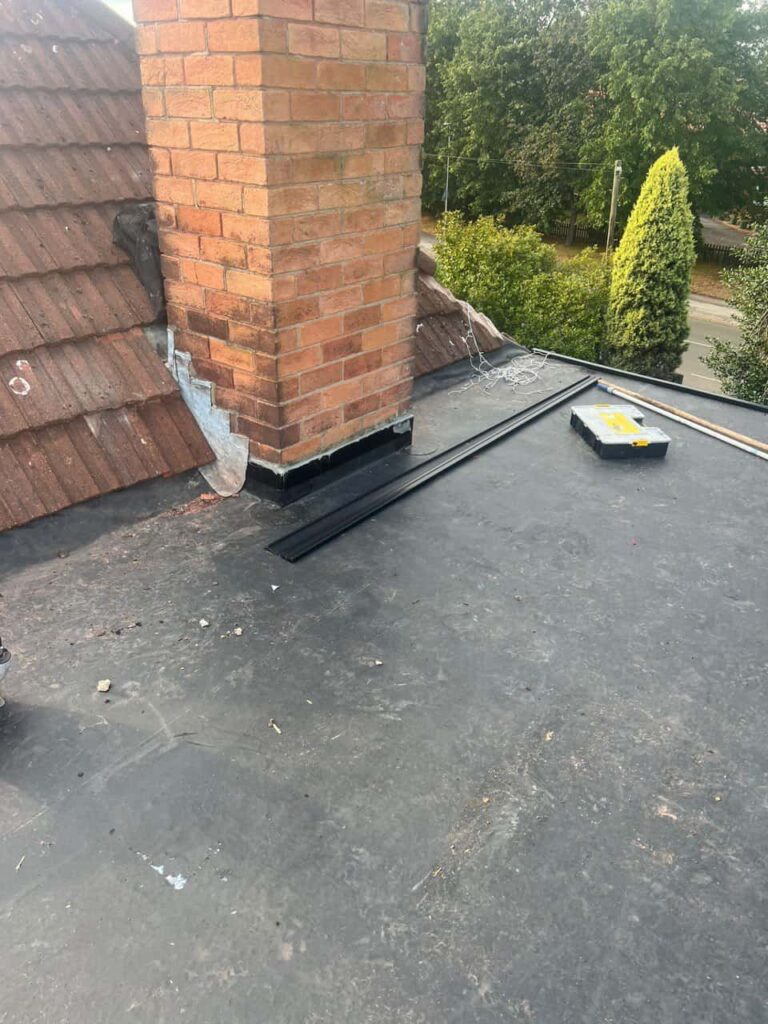
A leak near a chimney can result from damaged flashing, cracked surrounding mortar, deteriorated masonry or an issue with adjacent roofing materials.
The damp patch may appear at one side of the chimney even when water is entering elsewhere. A methodical inspection is needed to determine the route taken by the moisture.
Flat Roof Cracks and Failed Joints
Flat roofing materials can develop splits, blisters, open seams or separation around edges and outlets. Standing water may also expose vulnerable areas for longer periods.
Applying a surface sealant without assessing the surrounding covering may provide only temporary improvement. The condition of the complete affected section should be considered before deciding on the repair.
Blocked or Defective Drainage
Blocked gutters and outlets can cause water to overflow against roof edges, fascia boards and adjoining walls. Poor drainage on a flat roof may also allow water to remain on the surface.
Clearing the blockage is important, but any materials repeatedly exposed to overflowing water should also be checked for deterioration.
Common Warning Signs of a Roof Leak
Some leaks appear only during particular weather conditions, making early symptoms easy to dismiss. Warning signs include:
- brown or yellow marks on ceilings;
- peeling paint or bubbling plaster;
- damp patches on upper walls;
- a musty smell within the loft;
- dark staining on roof timbers;
- wet or compressed insulation;
- daylight visible through an unexplained gap; and
- water marks that return after prolonged rain.
One symptom does not always reveal the location or extent of the defect. The roof should be inspected before internal finishes are repaired.
Why Some Leaks Are Difficult to Locate
Water rarely travels in a straight vertical line from the roof covering to the ceiling below. It may follow rafters, battens, underlay or pipework before reaching a point where it becomes visible.
The direction of the wind and duration of rainfall can also influence the route. Recording when the leak appears and which weather conditions were present can provide useful information during the inspection.
What to Do When You Discover a Leak
The immediate priority is to limit damage inside the property without attempting to access the roof. Move belongings away from the damp area and use a suitable container to collect any dripping water.
Keep people away from a ceiling that is bulging or heavily saturated. If moisture is appearing around electrical fittings, avoid touching the affected area and seek appropriate professional assistance.
A roofing inspection should then be arranged promptly, even if the leak stops when the rain ends. The opening is likely to remain and may allow water inside during the next period of poor weather.
What a Professional Inspection Should Cover
A roof leak assessment should consider both the visible symptom and the surrounding roofing system. This may include:
- tiles, slates and their fixings;
- flashing around junctions and penetrations;
- valleys, ridges and verges;
- underlay and battens where accessible;
- flat roof seams, edges and outlets;
- internal staining and damp insulation; and
- gutters and other drainage routes.
Inspecting these connected components helps distinguish an isolated defect from deterioration affecting a wider area.
Repairing the Cause Rather Than the Symptom
Painting over a ceiling stain or replacing the nearest tile does not guarantee that the leak has been resolved. A reliable repair should stop water at its actual entry point and address any affected materials beneath the covering.
Where water has spread, damaged underlay, battens or insulation may also require attention. The repair area should be based on evidence discovered during the inspection rather than the size of the internal mark alone.
Conclusion
Roof leaks commonly result from displaced tiles, damaged flashing, deteriorated valleys, ageing underlay, flat roof defects and poor drainage. Early signs such as ceiling stains, musty smells and damp insulation should not be ignored, even when no active dripping is present.
If you have discovered a roof leak at your property in Hessle, East Riding of Yorkshire, TRP Roofing Hessle can trace the source and determine the appropriate repair. Contact us to arrange a professional inspection before further rainfall allows the problem to spread.
Call us on: 01482 420 492
Click here to find out more about TRP Roofing Hessle
Click here to complete our contact form and see how we can help with your roofing needs.