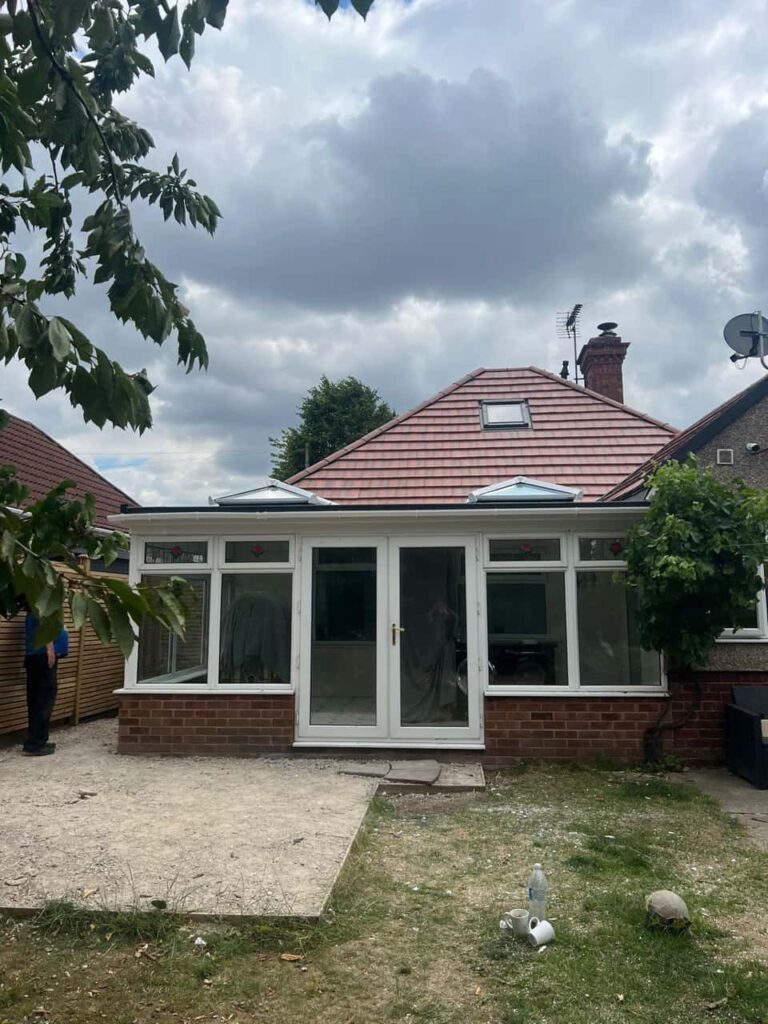
Older properties can develop roof leaks for several reasons, particularly when roofing materials have been exposed to changing weather conditions for many years. A small amount of water entering through the roof can gradually lead to dampness, damaged timbers, mould and deterioration of internal finishes.
For homeowners in Hessle, East Riding of Yorkshire, understanding the common causes of roof leaks can make it easier to recognise problems early and arrange the appropriate repairs.
Ageing Roofing Materials
Roofing materials naturally deteriorate over time. Tiles can become cracked, slipped or porous, while older slate and other materials may become more vulnerable to damage.
As materials age, they may no longer provide the same level of protection against rain and wind. Individual damaged tiles can sometimes be replaced, but the condition of the surrounding roof should also be checked to determine whether there are wider issues.
Damaged or Missing Roof Tiles
Strong winds and prolonged exposure to poor weather can cause roof tiles to move, crack or become dislodged. Even a small gap can allow rainwater to enter beneath the roof covering.
Missing or damaged tiles are particularly important to address because water can travel underneath the surrounding materials before becoming visible inside the property. This means the location of an internal water stain is not always directly beneath the original point of entry.
Deteriorated Roof Flashing
Flashing is used around areas such as chimneys, roof junctions and other changes in the roof structure to help prevent water from getting through.
On older properties, flashing may have deteriorated, become loose or developed gaps around its edges. If these areas are not properly sealed, rainwater can gradually find its way into the roof structure.
Worn Roof Valleys and Junctions
Roof valleys are designed to direct rainwater away from the roof, but they are also areas where water can collect and flow regularly. Over many years, older valley materials can deteriorate or become damaged.
Other junctions, including areas where different sections of the roof meet, can also become vulnerable to leaks. These areas require careful inspection because the underlying problem may not be obvious from ground level.
Blocked or Damaged Gutters
Gutters and downpipes play an important role in moving rainwater away from the roof. Leaves, moss and other debris can restrict water flow, causing gutters to overflow against roof edges or walls.
In older properties, gutters may also have cracked joints, corrosion or other damage. Persistent overflowing water can contribute to damp problems and may eventually affect parts of the roof structure.
Deterioration Around Chimneys
Chimneys can become a common source of leaks on older roofs. The mortar around the chimney may deteriorate over time, while flashing and other surrounding materials can also become worn.
Water entering around a chimney does not necessarily appear immediately below it. It can travel through the roof structure before becoming noticeable inside the property, making professional investigation useful when the source of a leak is unclear.
Poor or Previous Roof Repairs
Older properties may have undergone several repairs over the years. While previous work can extend the life of a roof, poorly completed repairs or unsuitable materials can create weak points.
A roof inspection can help identify whether an apparent leak is caused by a recent issue or a combination of older repairs and general deterioration.
Condensation and Roof Ventilation
Not every damp patch or water mark is caused by rain entering through the roof. Poor ventilation can allow condensation to build up within a roof space, particularly where warm, moist air meets colder surfaces.
This can sometimes be mistaken for a roof leak. Identifying the actual source is important so that the correct repair or improvement can be carried out rather than treating the wrong problem.
Signs That an Older Roof May Need Attention
Homeowners should look out for signs such as:
- Water stains or damp patches on ceilings and walls
- Drips or moisture appearing after heavy rain
- Cracked, slipped or missing roof tiles
- Damaged flashing around roof features
- Overflowing or damaged gutters
- Damp or musty smells in the loft
- Visible daylight through the roof covering
- Deteriorating timber or signs of moisture in the roof space
A small sign does not always indicate a major problem, but investigating it early can help prevent further deterioration.
How TRP Roofing Hessle Can Help
When an older roof develops a leak, identifying the source is an important first step. At TRP Roofing Hessle, we can inspect the roof to assess damaged or deteriorating areas and determine what repairs may be required.
Whether the problem involves slipped tiles, flashing, roof junctions or another part of the roofing system, a proper assessment can help ensure the underlying issue is addressed rather than simply treating the visible symptom.
Conclusion
Roof leaks in older properties can be caused by ageing materials, damaged tiles, deteriorated flashing, roof junctions, gutters, chimneys or previous repairs. In some cases, condensation can also create signs that appear similar to a leak.
If you notice signs of water ingress or deterioration at your property in Hessle, East Riding of Yorkshire, contacting TRP Roofing Hessle for a roof inspection can help identify the cause and determine the appropriate repair.
Call us on: 01482 420 492
Click here to find out more about TRP Roofing Hessle
Click here to complete our contact form and see how we can help with your roofing needs.